4.5 (2,300 reviews)
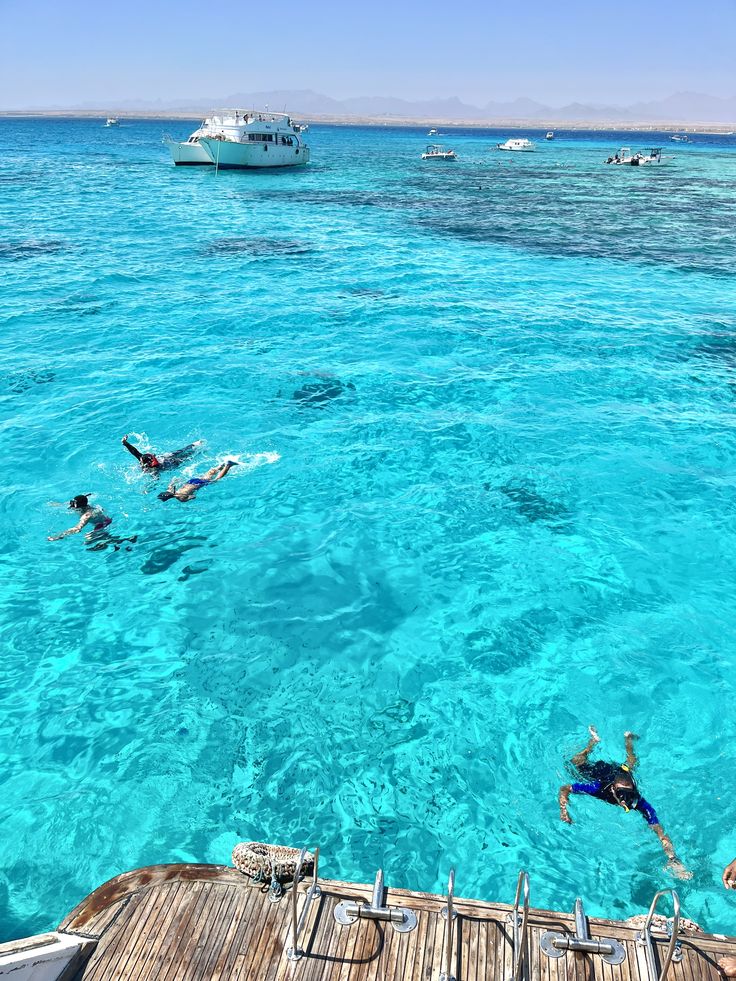
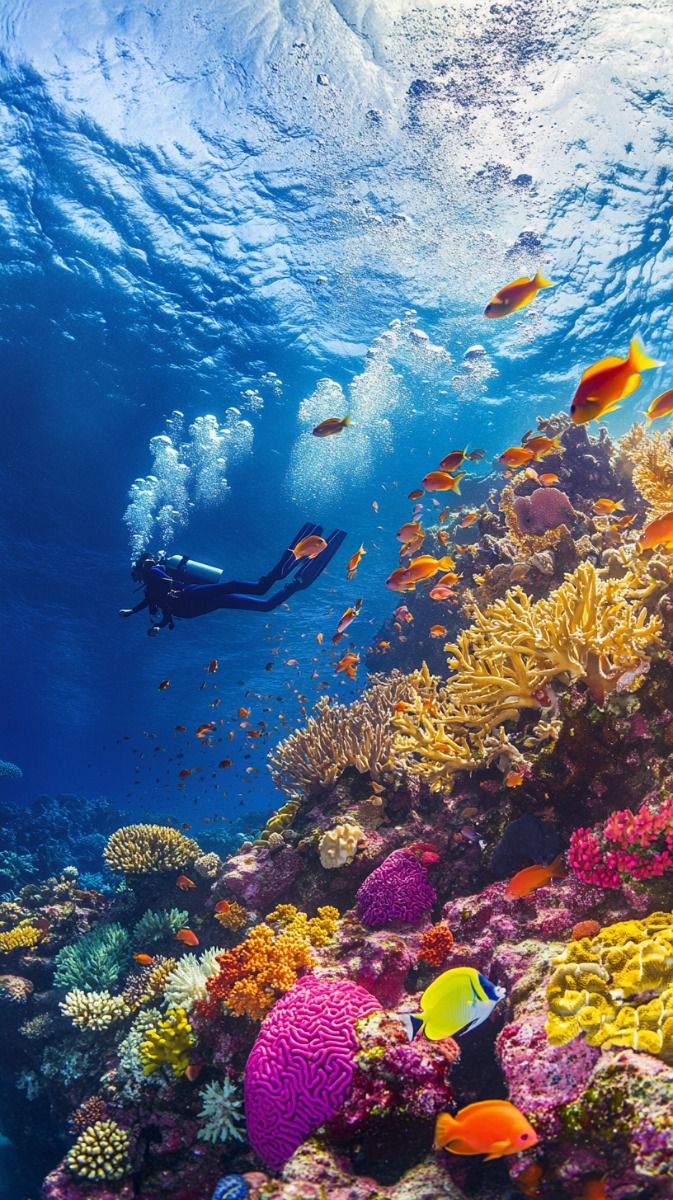
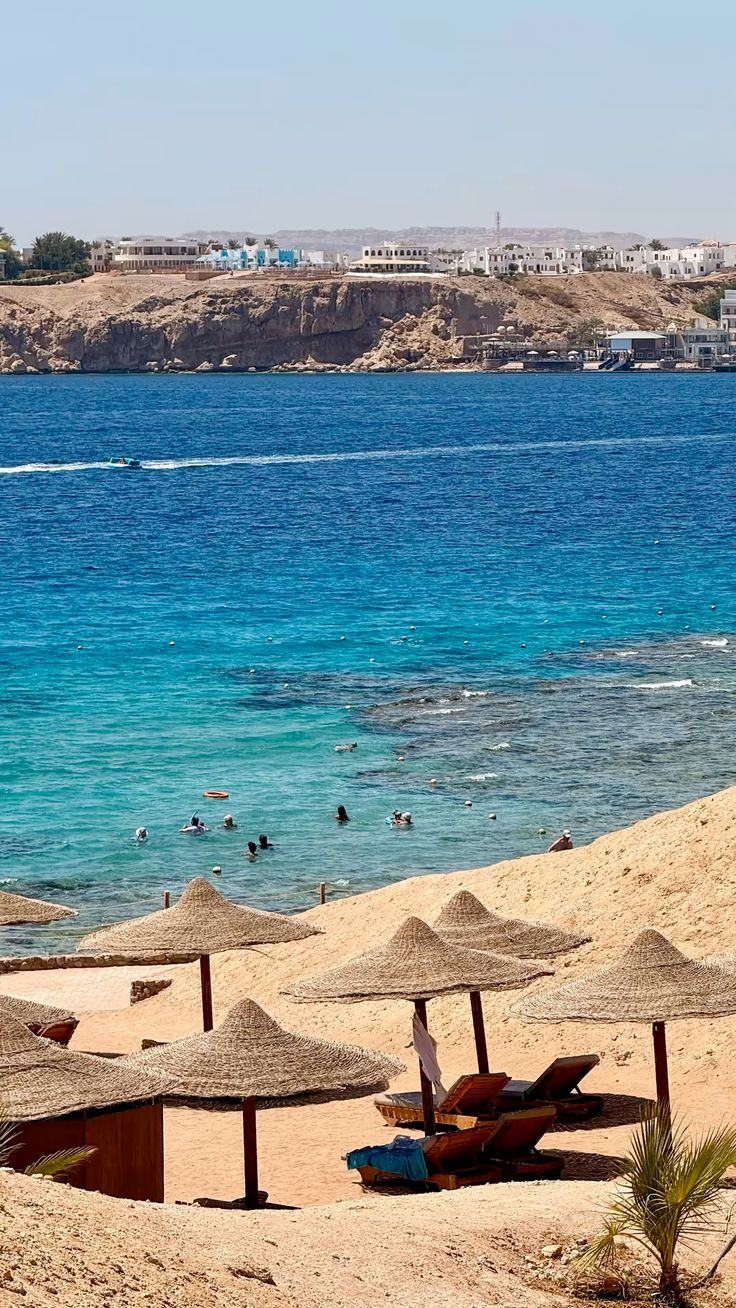
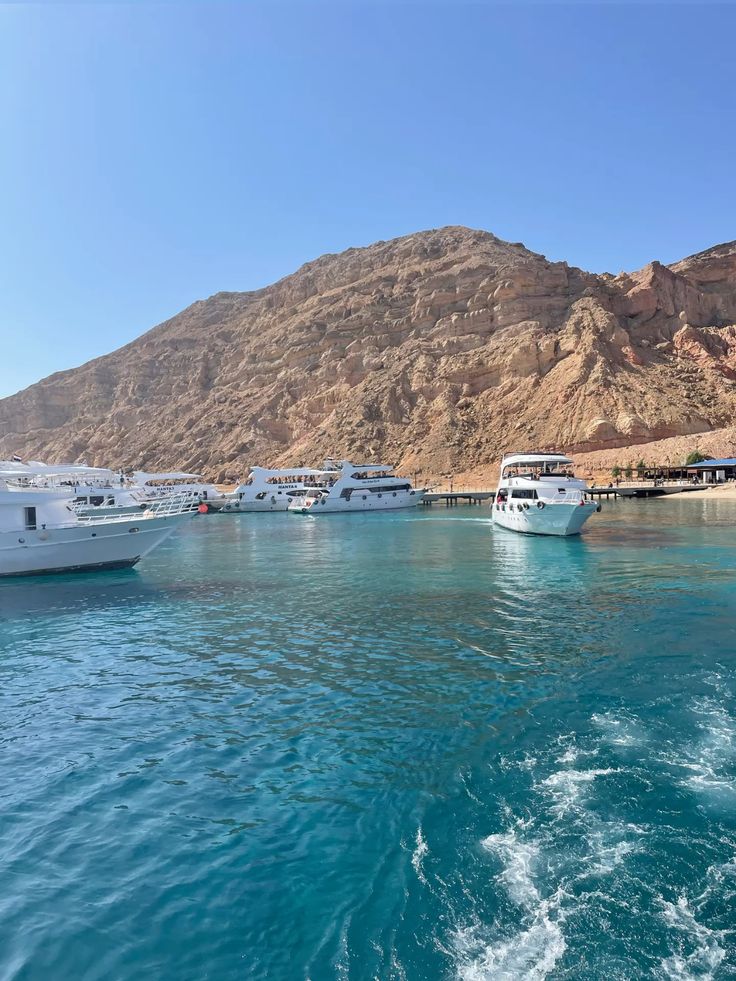
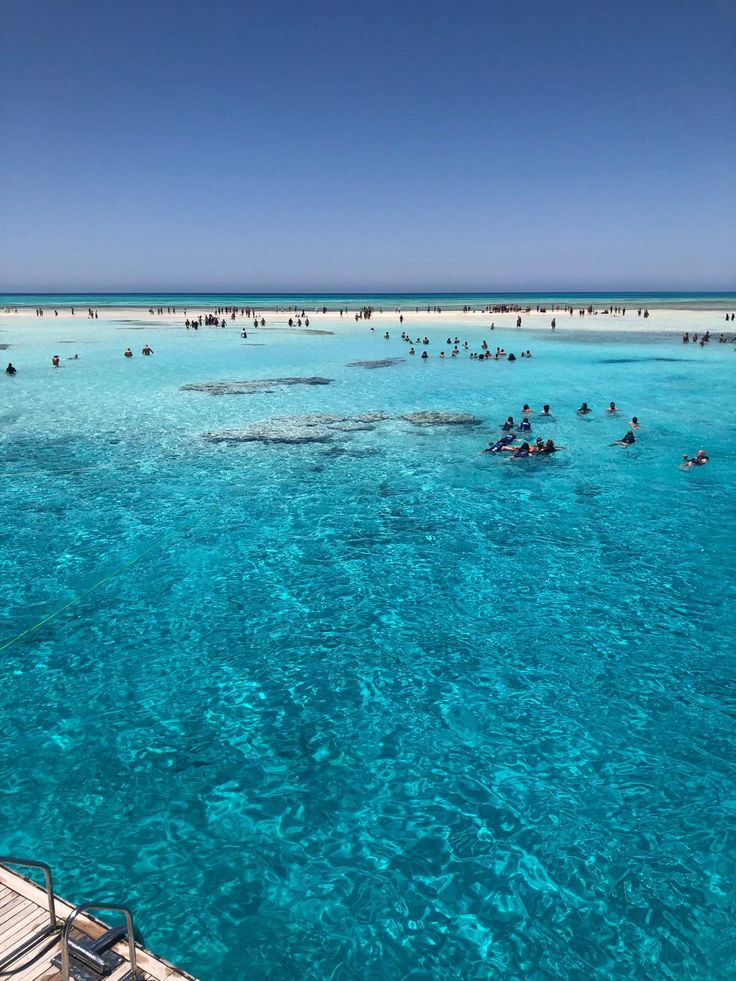
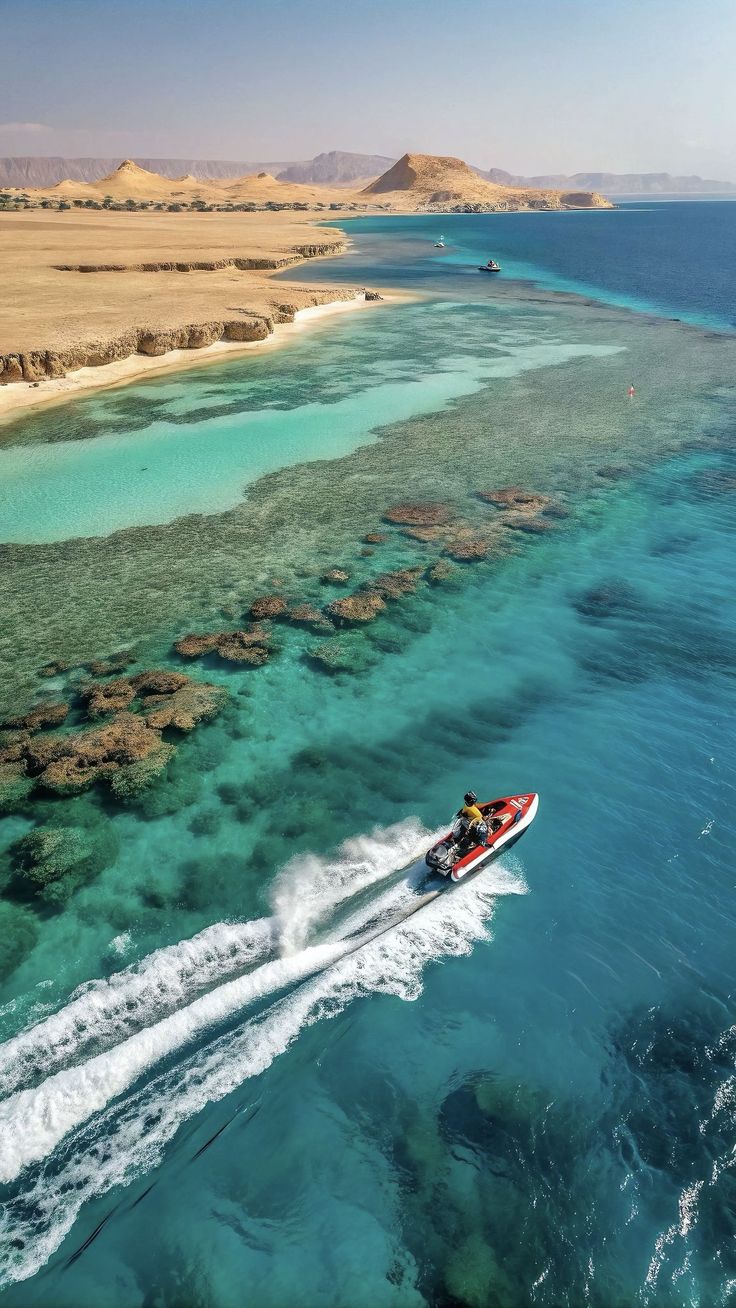
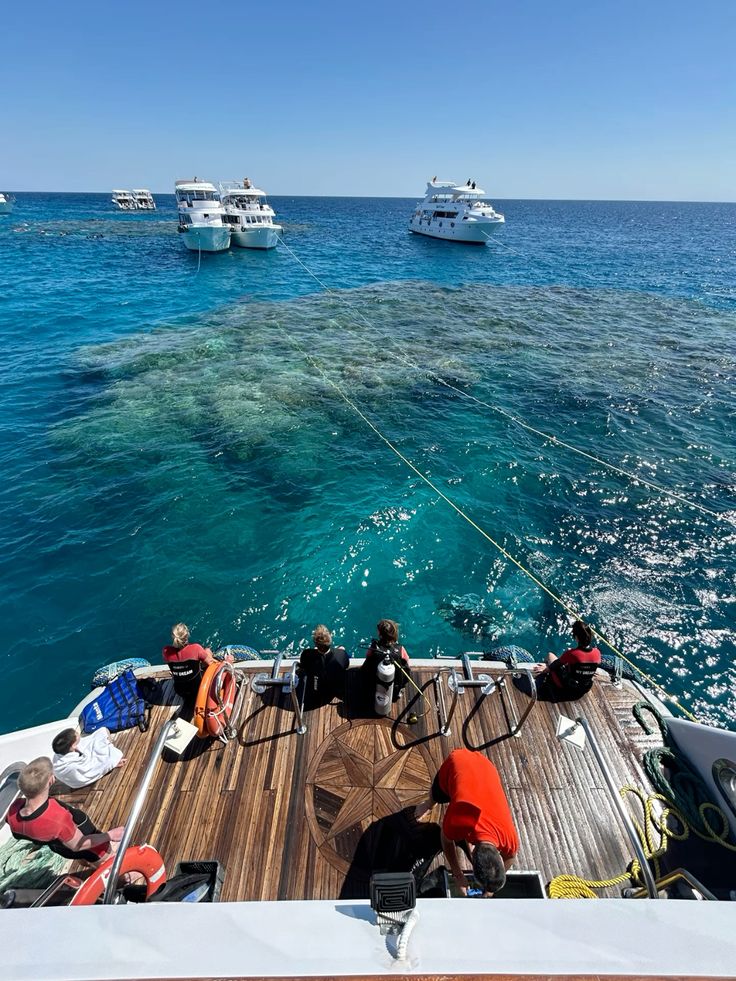
Book NowWhite Island is one of the most beautiful and famous natural sites within the Ras Mohammed National Park in Sharm El-Sheikh. It is often called the “Egyptian Maldives” because of its clear turquoise waters and soft white sand. It is not a permanently fixed island; parts of it appear and disappear depending on the tides. Location: It is located in the marine section of Ras Mohammed National Park, where the Gulf of Suez meets the Gulf of Aqaba. It is about 12 km by boat from the shores of Sharm El-Sheikh. Access is only possible by tourist boats and yachts through organized sea trips. Nature and Environment: The island is surrounded by extremely clear waters showing stunning shades of blue and turquoise. It is close to coral reef areas rich in biodiversity. It is a prime spot for diving and snorkeling due to its diverse marine life, including colorful fish and healthy coral reefs. As part of a protected ecosystem, damaging coral reefs or collecting marine life is strictly prohibited. Tourist Activities: Swimming in shallow, crystal-clear waters. Snorkeling and diving near coral reefs. Taking memorable photos in the turquoise surroundings. Relaxing on the white sand during boat stops. Enjoying full-day boat trips within Ras Mohammed National Park. Environmental Importance: It is part of a protected marine ecosystem within Ras Mohammed National Park. It contributes to the protection of rare coral reefs. It represents a balance between tourism and environmental conservation. The area is supervised by Egyptian environmental authorities to ensure sustainability. Best Time to Visit: Early morning: the water is calmer and clearer. Spring and summer: ideal weather for marine activities. It is recommended to choose a non-windy day, as visits depend on sea conditions. Key Features: • Crystal-clear turquoise waters • Soft white sand • Ideal snorkeling location • Part of a world-renowned natural reserve • Unique photography experience Challenges: Visits depend on weather and sea conditions. There are no permanent facilities (no restaurants or buildings). Visitors must follow environmental protection rules. Boat access may not be suitable for those who suffer from seasickness.