4.5 (2,300 reviews)
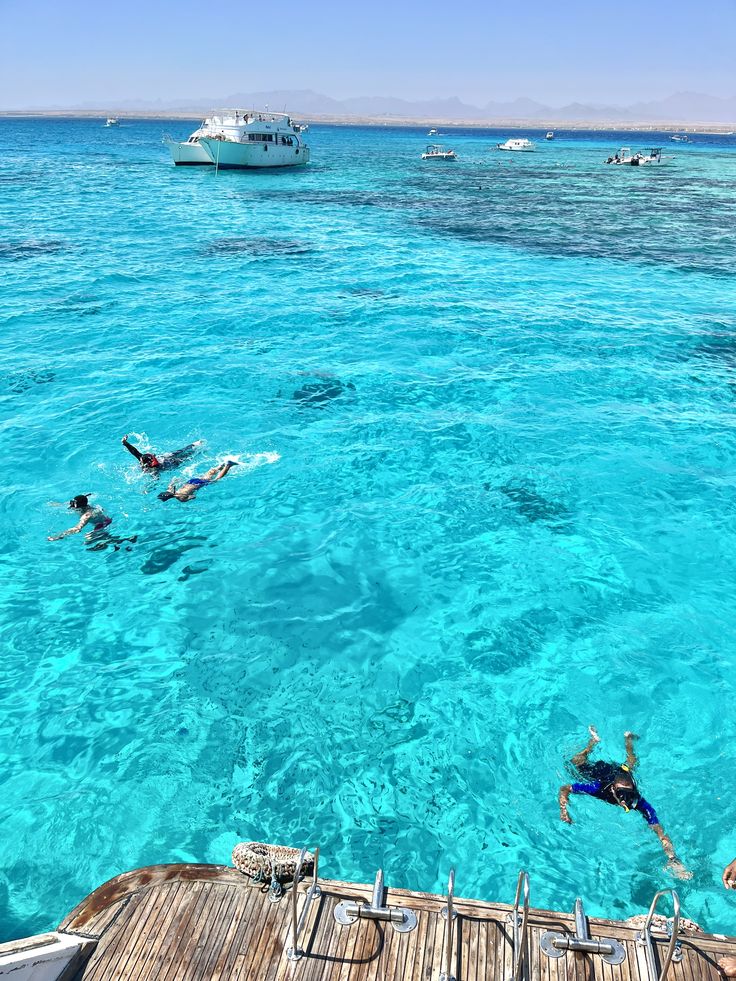
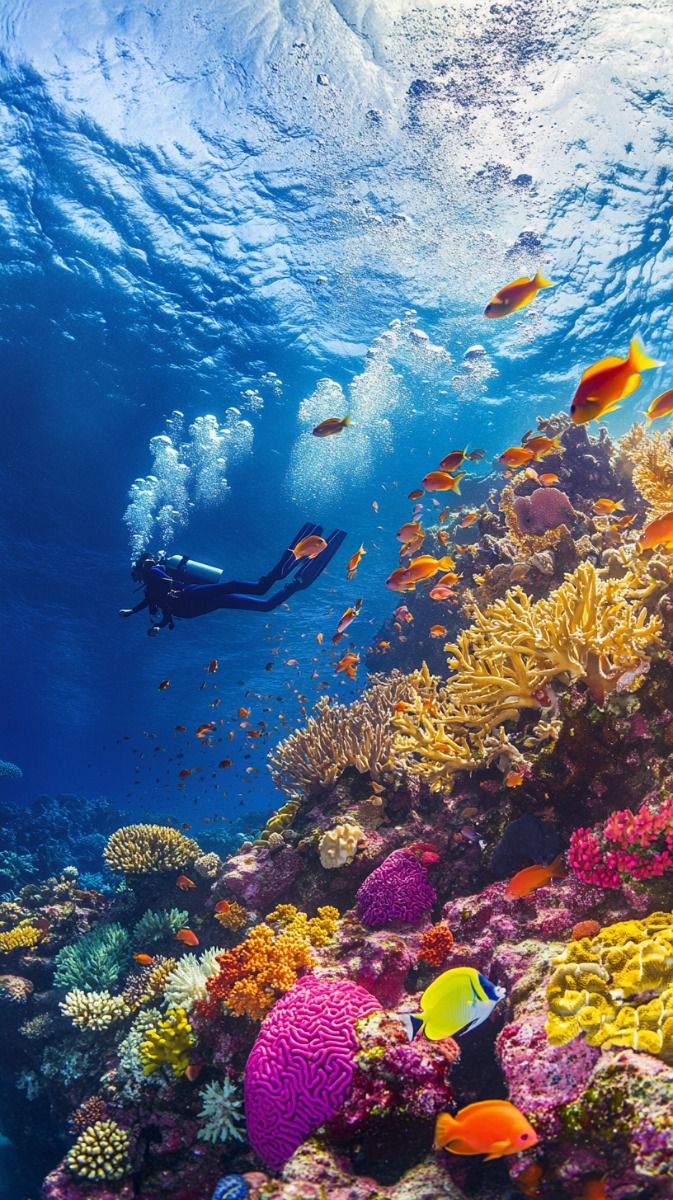
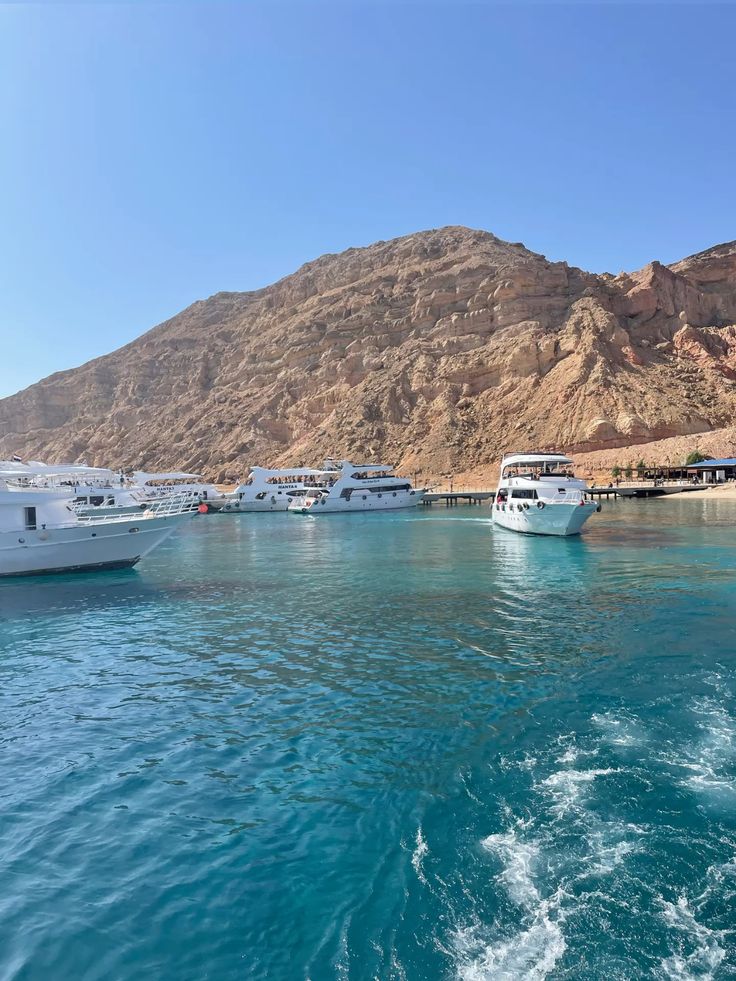
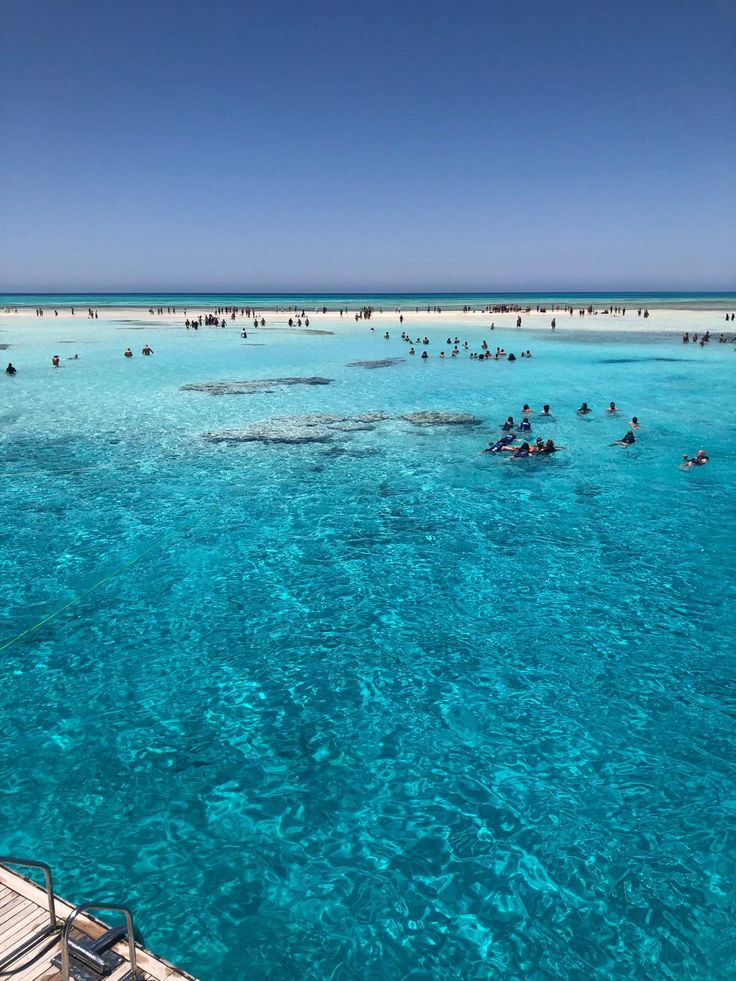
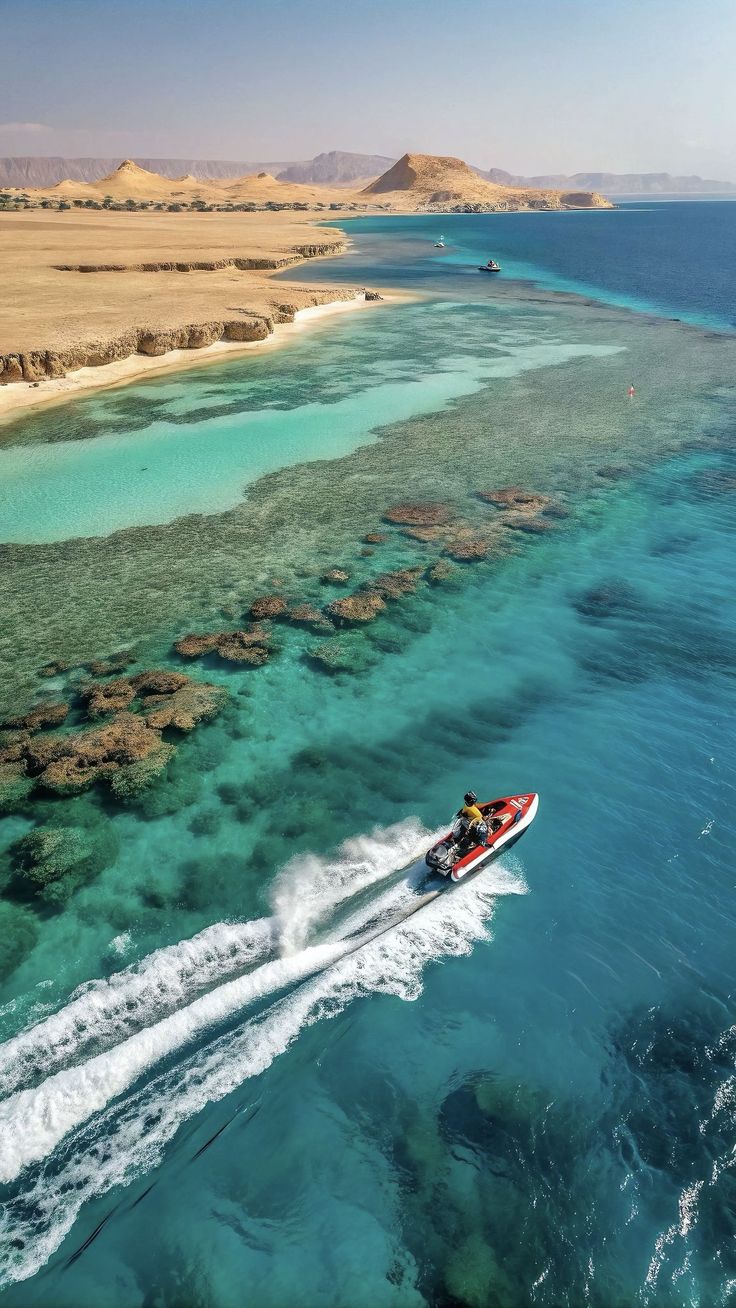
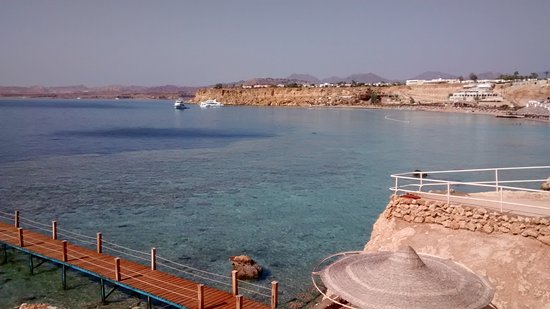
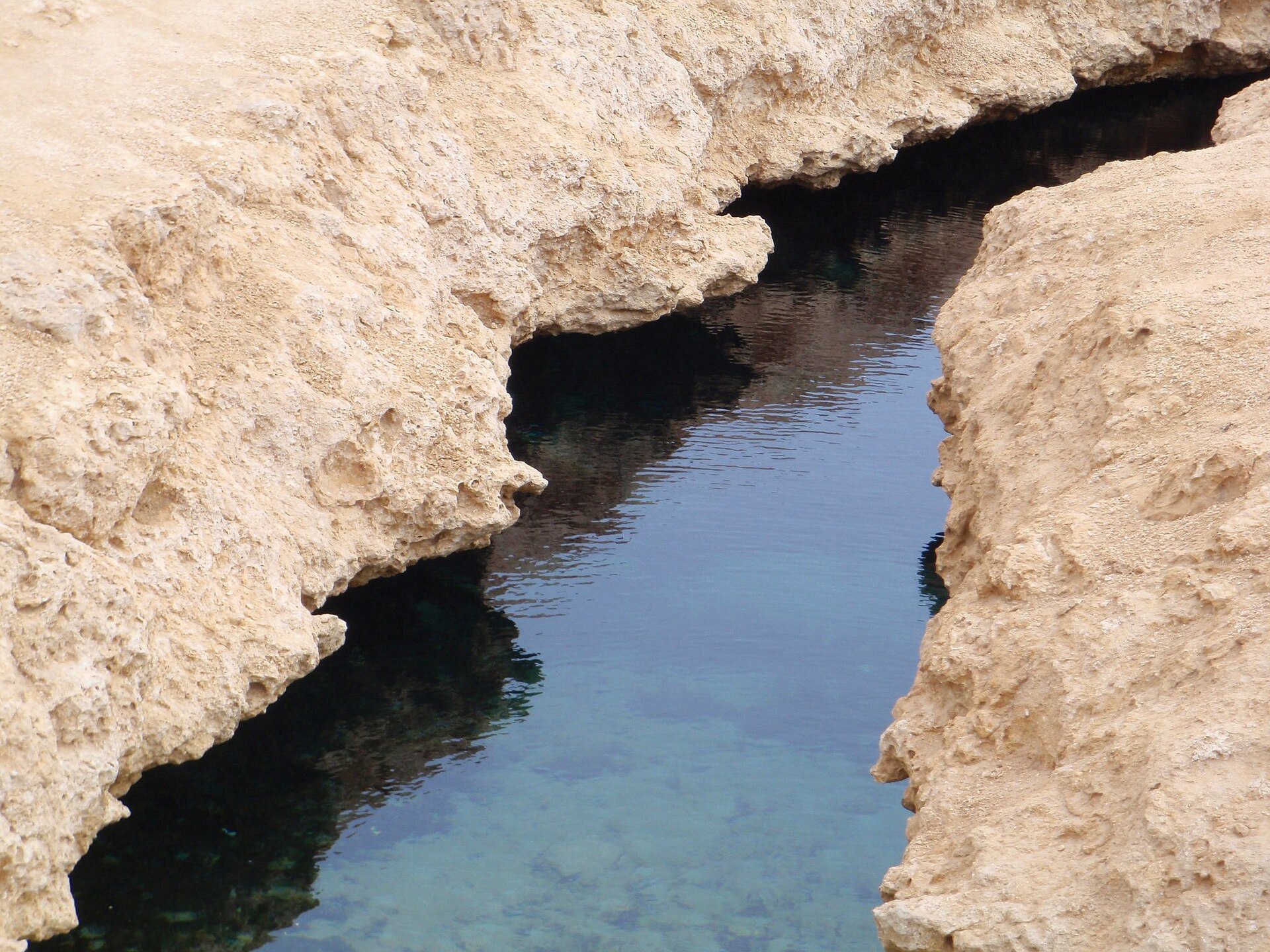
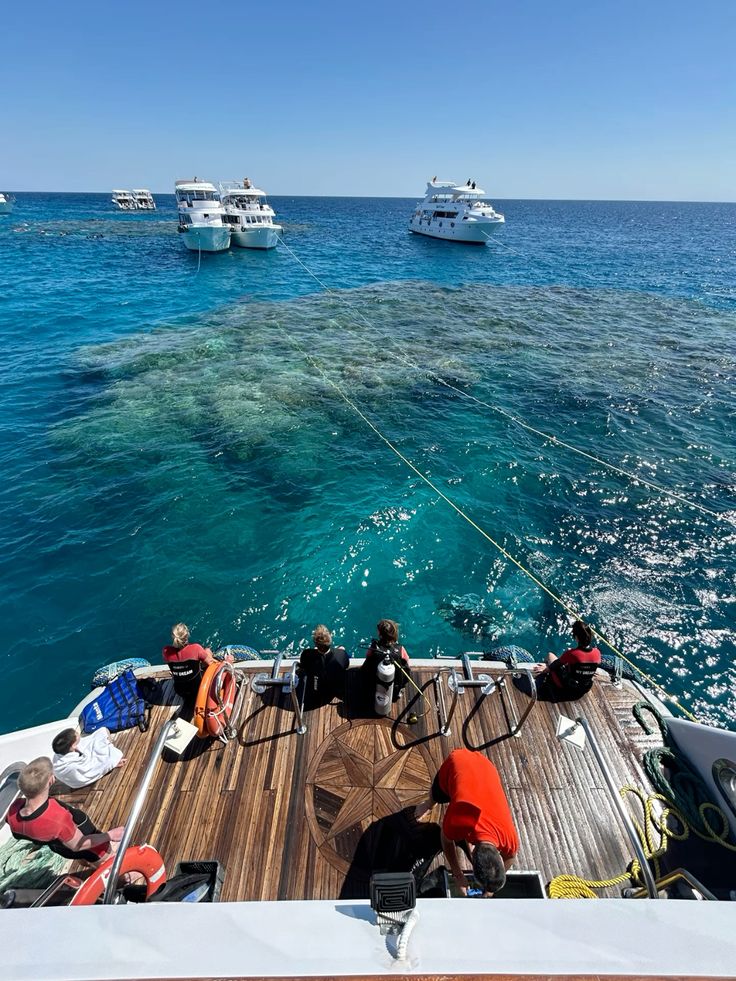
Book NowRas Umm Hassen Marine Protected Area is one of the most important marine reserves in Sharm El-Sheikh. It is a fully protected marine area established to preserve rich coral reefs and rare marine life. Compared to other reserves in the region, it is generally less crowded, making it ideal for divers seeking a more pristine and unique underwater experience. The reserve focuses on protecting marine biodiversity and includes shallow and deep coral reefs, marine breeding areas, and limited coastal mangrove zones. Geographical Location: • Located north of Sharm El-Sheikh, between Naama Bay and the Gulf of Aqaba. • Approximately 50 km from the city, accessible by tourist boats or organized diving trips. • Officially protected for years and includes marine, rocky, and sandy coastal areas. Nature and Marine Environment: Coral Reefs • The reserve contains very healthy and colorful coral reefs. • Shallow reefs: Ideal for snorkeling and observing small fish and vibrant corals. • Deep reefs: Suitable for professional divers, featuring larger fish such as grouper, tuna, and small reef sharks. • Coral types include hard and soft corals, massive reef structures, and spiral formations. Marine Life • Fish species include butterflyfish, clownfish, parrotfish, small reef sharks, and occasionally rare oceanic sharks. • Marine reptiles such as green turtles and hawksbill turtles appear periodically in deeper diving areas. • Crustaceans and invertebrates include jellyfish, starfish, crabs, and small marine turtles. • Seabirds include small raptors, migratory diving birds, and seagulls. Mangrove Areas • Narrow mangrove zones located near the shoreline. • Provide breeding habitats for juvenile fish and crabs and help protect the coast from erosion. Deep Water Zones • Suitable for advanced divers. • Excellent underwater visibility reaching 30–40 meters. • Home to large fish and well-preserved reefs not heavily affected by mass tourism. Tourist and Environmental Activities: Scuba Diving • Sites available for all levels, from beginners to professionals. • Opportunity to explore coral reefs and observe both small and large marine species. • Popular dive spots in the greater Sharm area include Shark Reef, Coral Garden, and Turtle Bay. Snorkeling • Suitable for families and children. • Shallow reefs allow easy viewing of colorful marine life. • Snorkeling equipment is usually provided on tourist boats. Boat and Yacht Trips • Include stops for diving and swimming. • Visitors are educated about marine conservation and coral reef protection. • Sunset trips are sometimes organized along the coastline or open waters. Environmental Education • Workshops for divers and tourists about coral reef conservation. • Awareness programs about Red Sea biodiversity and the importance of marine reserves. Wildlife Observation and Photography • Underwater photography of fish, turtles, and coral reefs. • Observation of seabirds and small coastal wildlife. Environmental Importance: • Protects coral reef ecosystems in the northern Gulf of Aqaba. • Preserves marine biodiversity, including large fish species and sea turtles. • Supports sustainable eco-tourism. • Provides educational opportunities for students and environmental researchers. Best Time to Visit: • From April to November: Clear waters and moderate weather. • Summer is suitable for early morning and sunset diving, while winter is good for bird and turtle observation. Key Features: • Healthy and colorful coral reefs • Rich marine biodiversity including fish, turtles, and seabirds • Diving and snorkeling areas for all experience levels • Protected environment with educational activities • Suitable for families, students, and professional divers Challenges and Notes: • Marine currents can sometimes be strong for beginner divers. • Strict adherence to reserve regulations is required, including not touching coral reefs. • Some deep areas require advanced diving equipment. • Limited crowding during peak seasons, especially near tourist boats.